

Weeknote 2/2026: Kinder, Clearer Systems
Leadership lessons from snow drifts, death cleaning, and deliberate networking

Hello!
Many years ago a work colleague of mine tried to sum up my leadership style, and it stuck with me. They described it as being dragged behind a speedboat. It was, at once, a compliment on how I changed my department - and sometimes the wider school - for the better, but also a criticism of the way I executed my plans. My team were often along for the ride, rather than sharing ownership of the journey.
I’ve been thinking about that image a lot this week, especially after Kelly Hoey shared a quote during her intriguing online session that stopped me in my tracks:
“You do not rise to the level of your goals. You fall to the level of your systems.” - James Clear
It was appropriate that many of my experiences this week connected beautifully to this statement.
Networking with Intent
Kelly’s session for Codebase, Networking with Intent, began with preparation work to map out our current and previous networks, identify who we trust in those networks the most and to name our goal for 2026. But the questions Kelly asked dug deeper to enable us all to pitch our goal successfully to others in the session. The four pages of notes I scribbled over those few hours demonstrated that I paid more attention to the other attendees as a result. They also reminded me that my networking “system” works best when I’m paying close attention to other people, not just talking about my own projects.
Further applying Schwartz’s Values Wheel
In previous weeknotes I’ve identified ways to protect my energy and time for projects that I value. To help me start 2026 and maintain this energy as best as possible, I segmented a piece of A4 paper into boxes for the first eight months. Every time I’m invited to deliver a presentation or take part in anything outside my regular activities, I log it there.
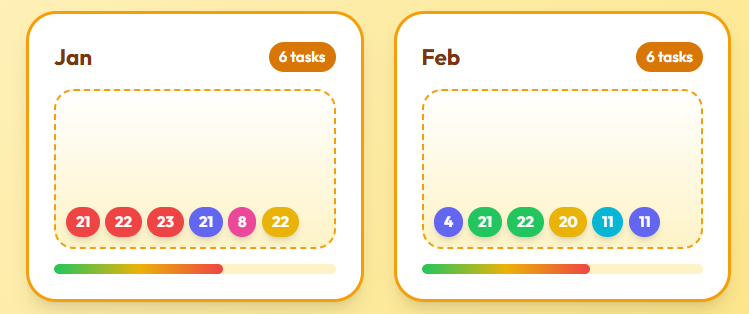
What I immediately saw was that January and February filled up with networking, courses and additional work for the SQA and Edpuzzle. I made sure to also highlight any cultural experiences or planned breaks to ensure that these didn’t get squeezed out by additional agreements to support others. While I added a brief indication of dates, this is not a calendar, it’s a representation of the space I have in my life for other opportunities.
And while my calendar is definitely full for the next while, I’m glad I was able to name the pressures I’m adding to my plate. It also allows me to see instantly what I can and cannot take on at the moment, but also lets me offer up space in my less filled month-buckets to those who I want to support because it helps both of us to grow.
Not all entries are community related. Back in August 2024 I read about death cleaning and wanted to ensure that some of our possessions were being kept for the right reasons, rather than becoming someone else’s problem later (hopefully much later) on. But wanting to do something and having a system to actually do it are different things. While in the past 15 years all my family photos have moved into the cloud, those from my teens until my early thirties are still physical, printed entities.
I lugged a few boxes down from the loft and sorted all the envelopes of images. Not into sequential order, as I don’t think that matters, but into locations. Home (we’ve had a few of these over the years), Family, Italy, and UK were, unsurprisingly, the largest piles. I’m going to focus on selecting good images from these piles for their own album - whether that’s a printed version of the final collection of images with some descriptive text or a simple binder is still to be decided - and then look at the remaining piles.
For now I’m glad to have a more concrete plan for how important moments from our lives can be shared, as succinctly as possible, with our relatives in the future - and for how our stuff won’t quietly become someone else’s unsorted problem.
Snow and the gaps in a current system
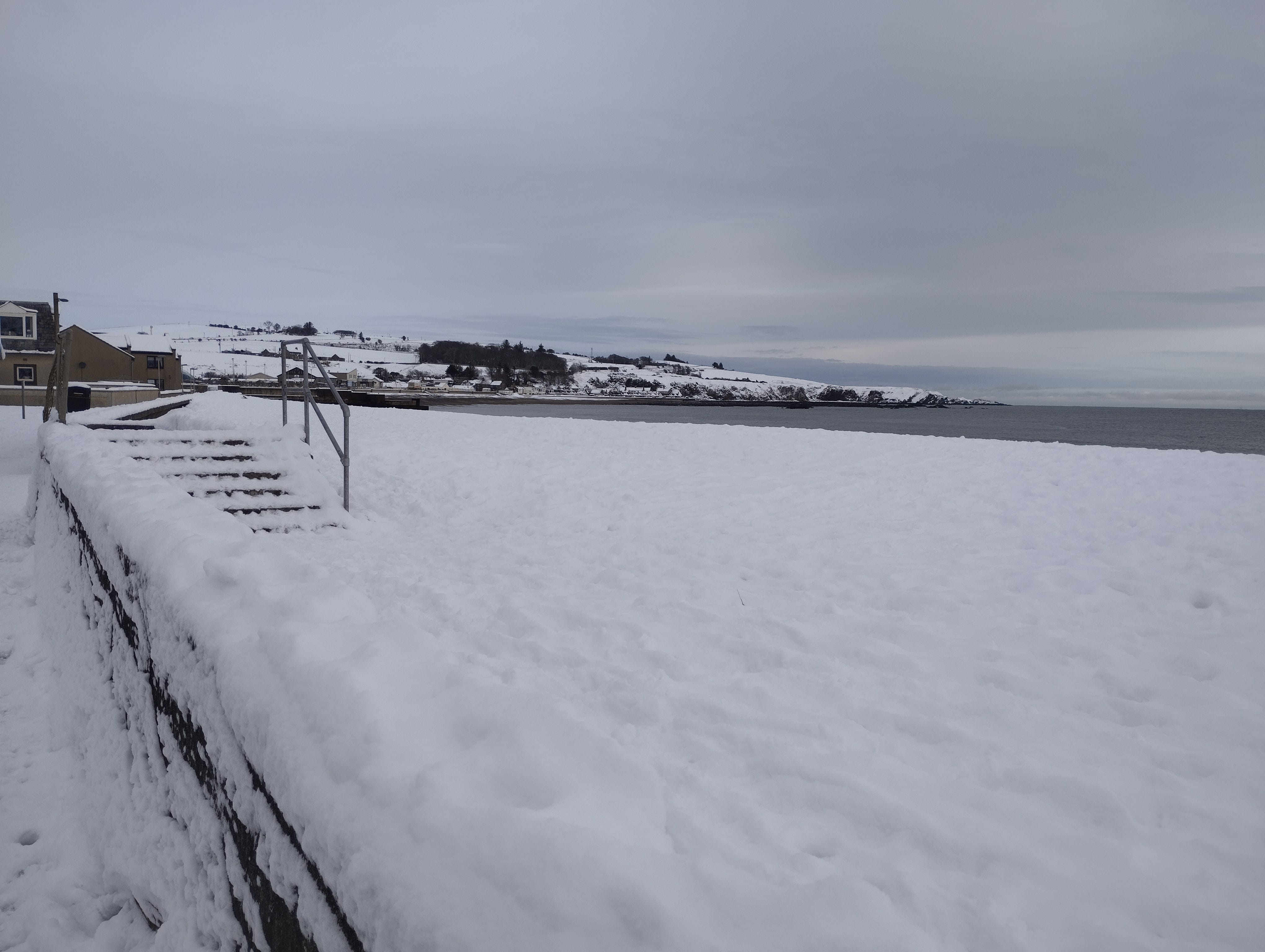
North East Scotland enjoyed its most substantial snowfall in over a decade, which meant that the return to school was delayed by almost a week in many local areas. After a few days of posting work to Google Classrooms or Microsoft Teams, some schools moved to virtual teaching using online video meetings aligned to normal, in-person timetables. From what I’ve observed and heard from other educators, this caused chaos.
Firstly, many teachers didn’t have appropriate devices at home to run as a short-term classroom. During Covid devices which otherwise would have been languishing in locked-down classrooms were hastily distributed so that staff could stay in touch and stay working. This isn’t possible today and, it turns out, should definitely not be expected. Pedagogies established during the months of online learning in Covid were more than a little rusty. Breakout rooms were not mentioned, and even the consistency of setting up an online classroom meeting with students appears to have disappeared. Communication was also lacking across the region. Students were not aware of how a virtual school day would operate - the expectations, the balance of screens against non-digital parts of their day. It was pretty striking, but ultimately not surprising. However, none of this was about people not caring - I’m not minimising the hard work that went on in communicating with parents or carers, how much effort went into trying to find ways to support some learners. What was missing was a clear, shared system ready for an event that, sooner or later, was always going to happen again.
The snow finally stopped and the thaw began. What compounded the inequity was then a phased return to buildings where many students were still stranded at home across the region. Teachers found themselves unable to deliver hybrid lessons as the infrastructure to do so wasn’t available, and they lacked both training and experience in doing this. Digital can work really well in these situations without burning out teachers and students. For example, if schools plan for shorter synchronous sessions, provide pre-recorded content options, and establish clear boundaries about when teachers are available. Staff and students need to know who to contact if they have concerns, just like they do in a physical building. This support can be from a person, or multimedia hosted on an accessible website.
Research into emergency remote teaching has consistently shown that these challenges aren’t unique to our region. Studies highlight that educational systems need better preparation for future emergencies, and that there’s often a significant gap in teacher preparation and training for emergency remote teaching. The gaps we experienced early in 2026 reflect broader systemic challenges that many regions will continue to face in the future.
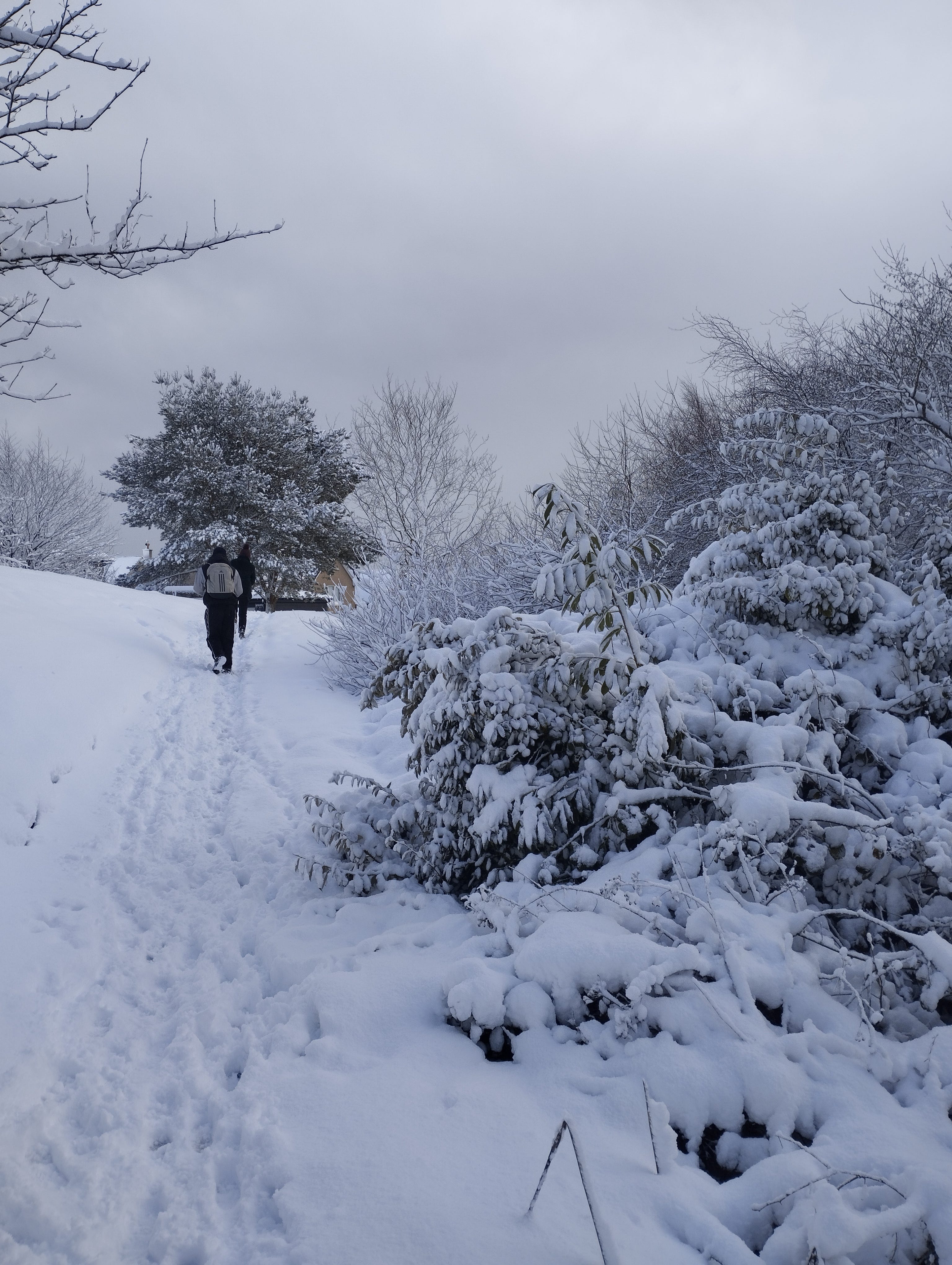
I was pleased to see that the snow also revealed a different kind of system - one that emerged organically when formal systems failed. Neighbours working together to clear paths and roads when it became clear the region’s local authorities weren’t prepared and couldn’t support all communities. Car travel was impossible, as I found out the hard way. Five strangers worked together to push our car out of a snow drift and uphill towards our house until finally the tyres gained traction. After this our days were a mixture of online work and slow walks with our rucksacks to gather a few supplies from the local supermarket, chatting all the way there and back through the beautiful winter landscape. In these moments, we adjusted our systems and the goals rose up to meet us.
This week was a reminder that I don’t need different goals so much as kinder, clearer systems - for work, for community, and for home.
Take care and have a great week xx